A Structured Daily Iteration for Digital Sketching
Why a structured daily iteration helps
Artistic growth often comes from repetition and reflection rather than occasional marathon sessions. A short, structured daily iteration removes decision friction and turns curiosity into a habit. Structure keeps the focus on exploration rather than on finishing a polished piece every time.
Core session structure
Here is a compact routine you can try within a 45-minute window. Adjust the timing to suit your schedule, but keep the sequence consistent so the practice becomes familiar.
- Warm-up thumbnails — 10 minutes: Make 6–12 tiny thumbnails across a single canvas. Keep them small and fast, concentrating on overall shape, silhouette, and composition. Use a 2–3 pixel brush if you want to simulate a pen thumbnail.
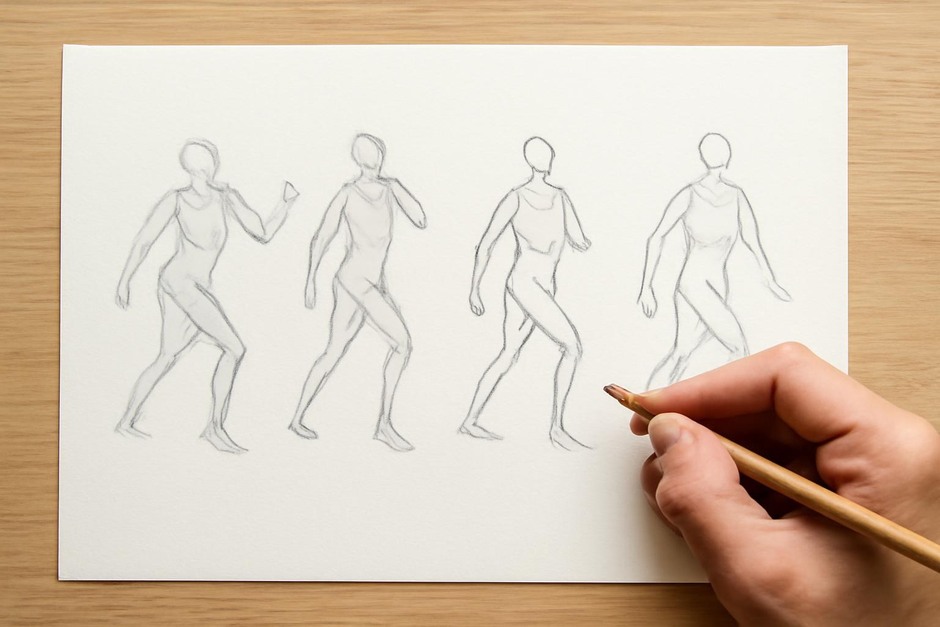
- Gesture and form pass — 10 minutes: Choose one thumbnail and do 3–4 quick gestures at a larger scale. Focus on weight, balance, and the simple construction that supports the thumbnail idea. Use loose strokes and avoid details.
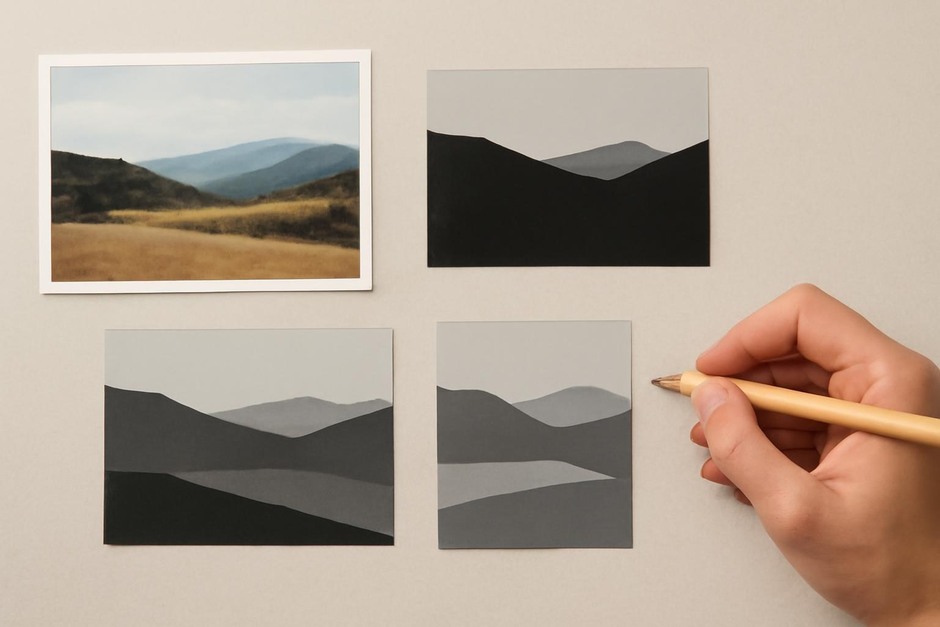
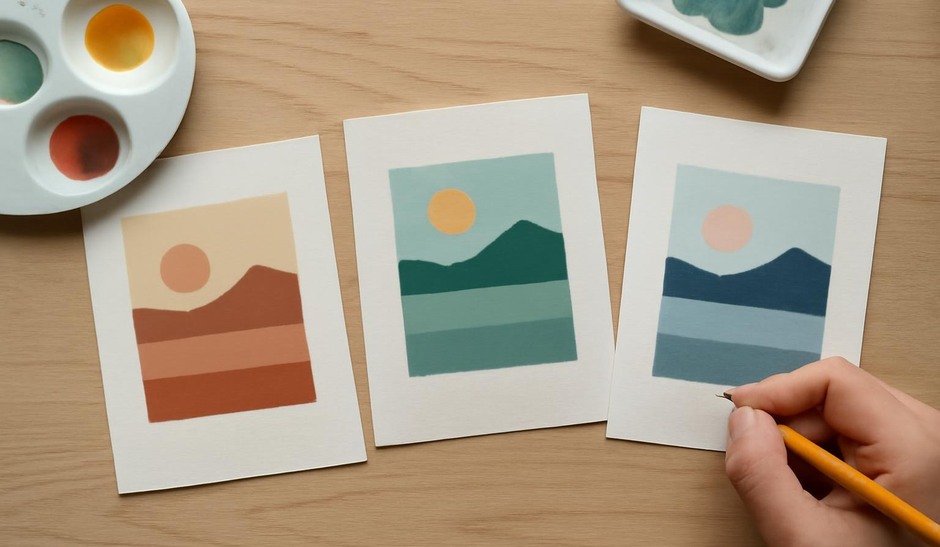
- Value or colour test — 10 minutes: Block in values with a soft brush or make 2–3 colour passes in separate layers. This is about discovering mood and contrast quickly, not perfect blending.
- Refinement pass — 10 minutes: Tighten lines or shapes, clarify a silhouette, or refine the main gesture. Keep edits minimal; the goal is to learn what a single focused pass can improve.
- Short note — 5 minutes: Write a one-sentence note about what worked and what you want to try differently tomorrow. Save the file with date and a short tag.
Concrete visual examples
Example 1: Character thumbnail to silhouette. Make 12 small rectangles and sketch different poses. Pick one and paint a single-value silhouette to check its readability at small sizes. If the silhouette reads clearly, the idea survives scaling.
Example 2: Architectural rhythm. Thumbnails focus on window rhythm, rooflines, and shadow. Pick the strongest rhythm and do three gesture passes emphasizing perspective beats and massing. Use a value pass to confirm the light direction.
Adapting the routine
Variations keep the habit fresh. Some days, replace the refinement pass with a reference study: take a 10-minute look at a photo and replicate shadows and edge quality. Other days, focus on colour by doing three limited-palette sweeps. The structure remains the same; the content changes.
File management and iteration tracking
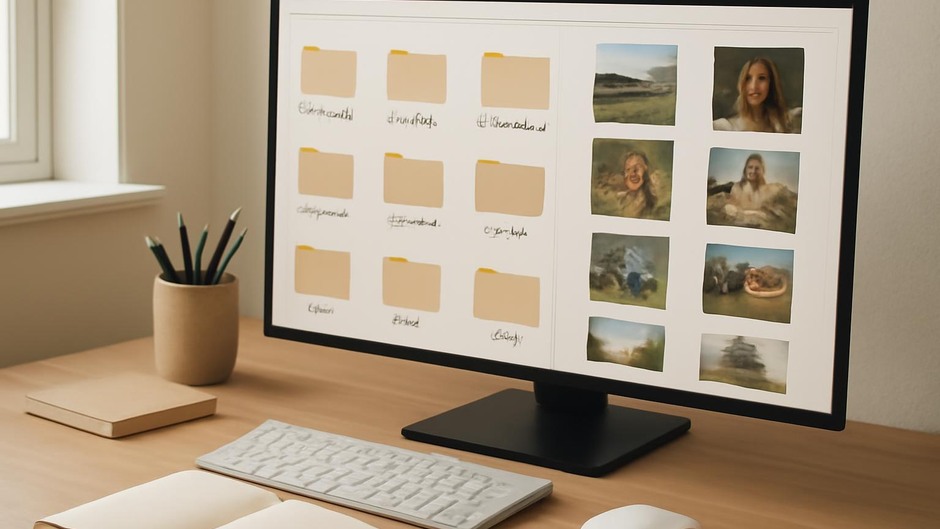
Keep a single folder named by year and month. Save each session with a short tag like “2026-08-14-thumbnails”. Versioning can be as simple as adding _v1, _v2 if you revisit a study later. Over months you’ll accumulate a visible track record of small decisions.
Benefits of short, repeatable passes
- Lower barrier to starting. A predictable routine reduces procrastination.
- Faster feedback loops. Daily repetition surfaces patterns in mistakes and strengths.
- Manageable commitment. Short sessions prevent burnout while keeping momentum.
Try this structure for two weeks and note changes in confidence and visual clarity. The real payoff comes from cumulative practice: small, consistent decisions that refine instinct and taste over time.