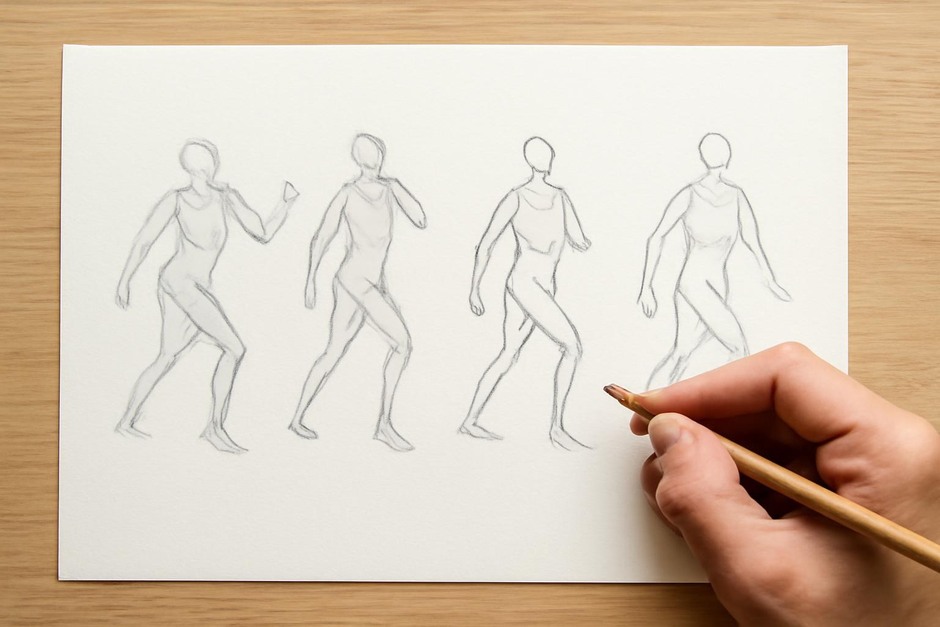
From Gesture to Refined Line: Iterative Linework Techniques
Start with gesture, not detail
Linework that reads well usually begins with a confident gesture. Gesture captures the motion, weight, and rhythm of a pose; refined linework translates that feeling into deliberate marks. The trick is to iterate, reducing visual noise while preserving the original energy.
First pass: energetic gestures
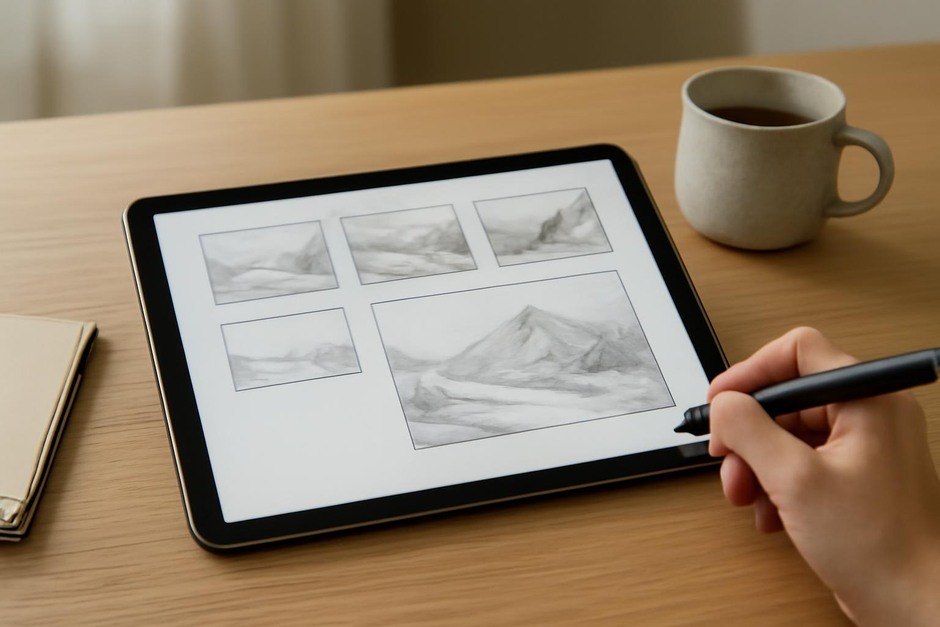
Use a soft, pressure-sensitive brush to make quick, overlapping lines. Keep sessions short—30 to 90 seconds per pose—and focus on the backbone and major limb weights rather than anatomy. These rough marks become the emotional shorthand you refine later.
Second pass: corrective structure
Create a new layer and do a corrective pass, following the gesture but clarifying joints, planes, and turn of form. Use slightly firmer strokes and resist the urge to draw every muscle. Think of this pass as scaffolding rather than finished drawing.
Third pass: line economy
On another layer, make concise lines that suggest rather than state. Emphasize contours that define planes and intersections: the fold where arm meets torso, a shadow edge that turns the form. Remove redundant or competing lines; a single well placed line often reads better than multiple timid ones.
Smoothing and stylization
Many digital tools offer smoothing or stabilizers. Use them sparingly. Smoothing helps consistency but can also sterilize energy. If you use smoothing, adjust settings so you retain slight gesture jitter—this preserves character. Consider stylized marks such as tapering strokes, controlled hatches, or interrupted lines to add texture without clutter.
Iterative reductions and comparison
Duplicate the refined line layer and try a reduction: remove 20–40% of lines, focusing on those that are least essential. Toggle visibility to compare versions. This iterative subtraction often reveals which lines truly carry meaning.
Concrete routine to practice
- Make 10 gesture sketches in 20 minutes.
- Choose two gestures and do a 10-minute corrective pass for each.
- Do a 15-minute final economy pass, then make a duplicate and remove lines to create a simplified version.
Combining linework with value
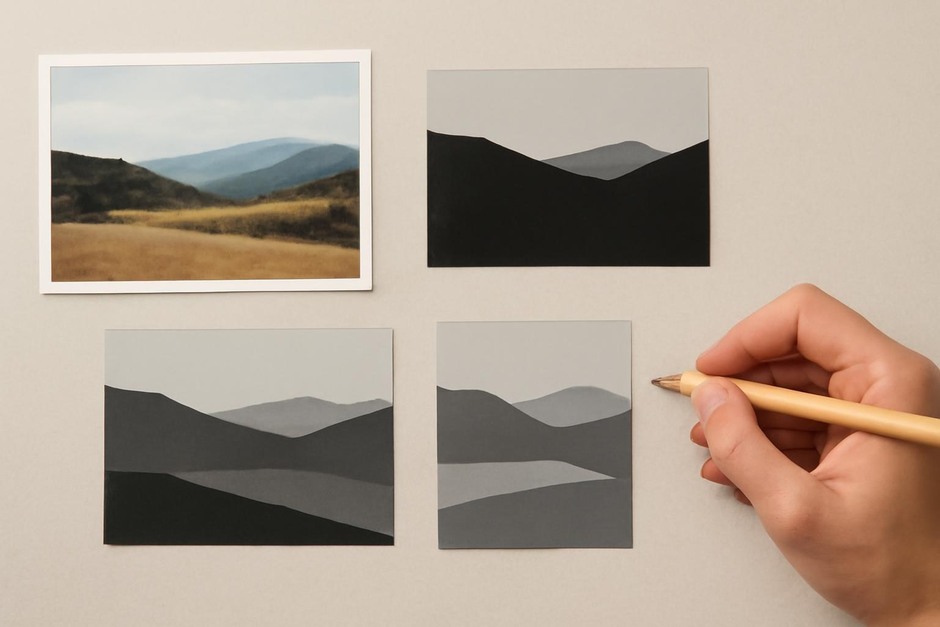
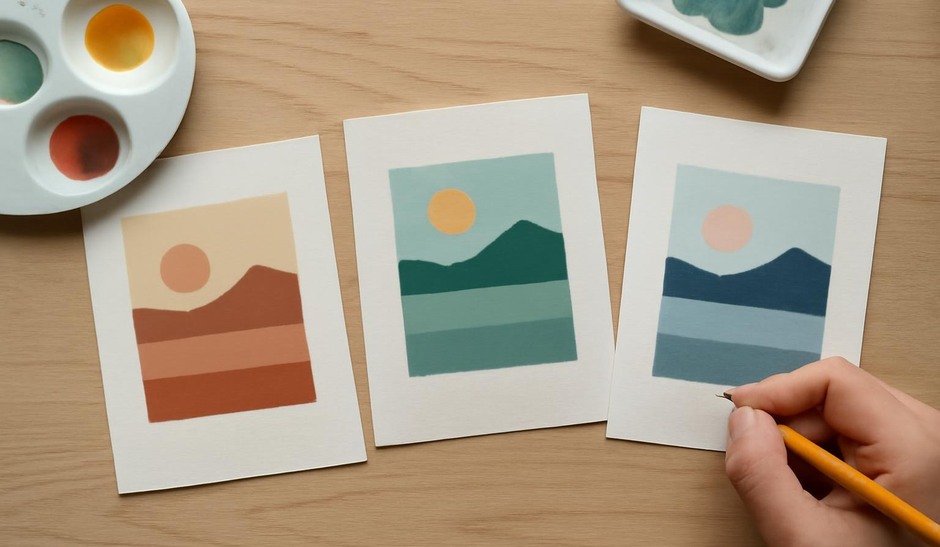
Sometimes a sparse line needs support from value. Paint a few value planes beneath your linework to reinforce volume. This combination allows you to keep lines minimal while preserving depth and readability.
Final notes
Refining linework is not about making lines perfectly smooth; it is about making lines decisive. Regular iterative practice—gesture, correction, economy, comparison—builds judgement. Over time you will instinctively know which lines to keep and which to omit, and your refined work will retain the vitality of your earliest gestures.